
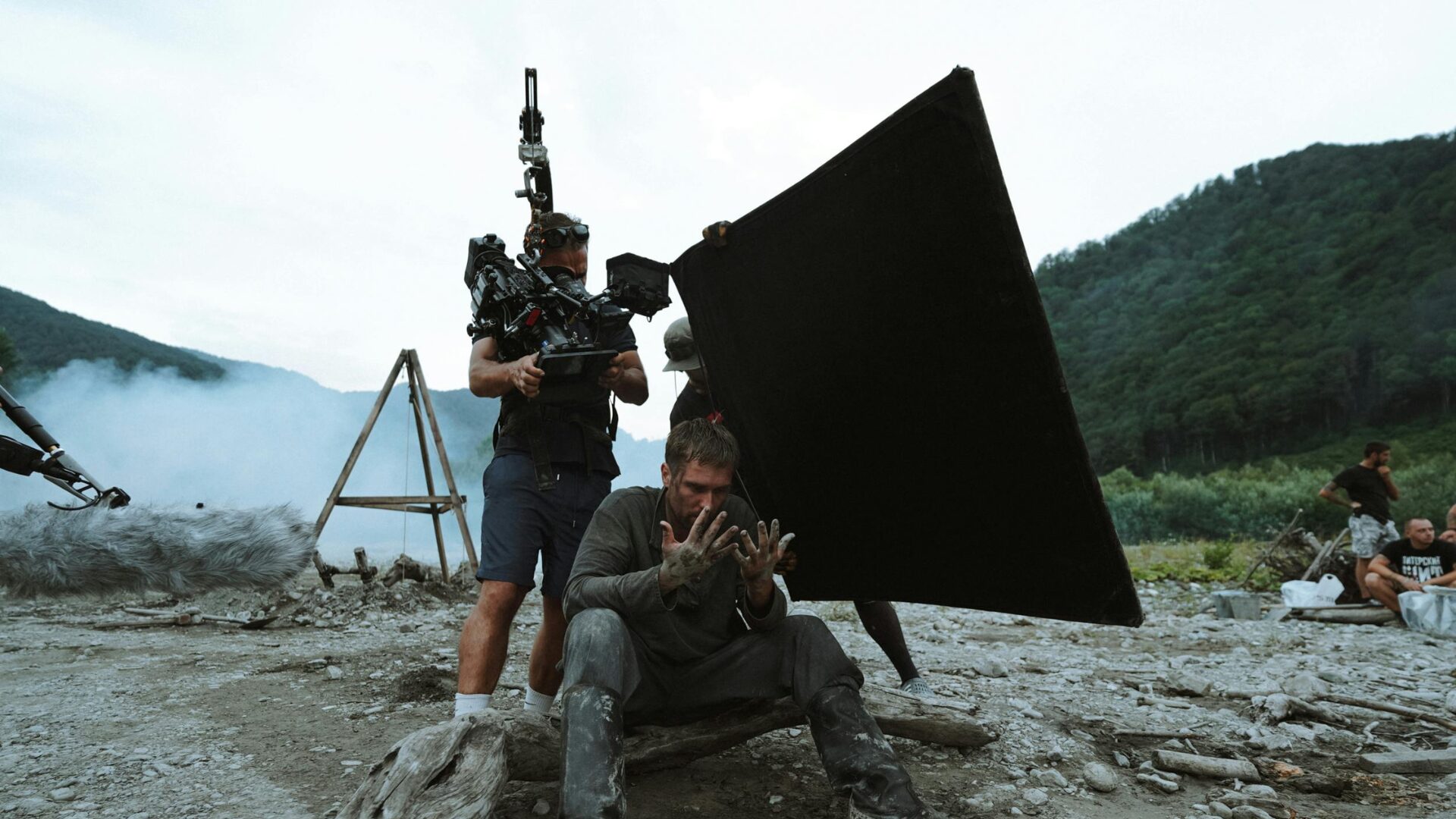


The safety induction is one of the most important moments in a production’s safety management — and one of the most consistently underdelivered.
In theory, the induction is the moment when every crew member receives the information they need to work safely on the production — the hazards they’ll encounter, the procedures they need to follow, the emergency protocols that will keep them safe if something goes wrong. In practice, it’s often a rushed briefing at the start of a long day, a document handed over with a request to sign at the bottom, or a generic presentation that tells crew nothing specific about the actual risks of the production they’re about to work on.
A safety induction that doesn’t genuinely inform is not safety management. It’s documentation of a conversation that didn’t actually happen. And in an industry where the information communicated in an induction can be the difference between a crew member recognising a hazard and one that doesn’t, that gap matters.
This post covers how to build a safety induction process that crew actually engage with — one that delivers real information, creates genuine understanding, and holds up as meaningful documentation when it needs to.
Why Most Inductions Don’t Work
Before building something better, it’s worth being honest about why the standard approach fails.
The most common induction failure is genericness. A safety induction that could apply to any production, in any location, for any crew doesn’t actually prepare anyone for the specific risks they’re about to encounter. Crew members — particularly experienced ones who have sat through dozens of similar inductions — disengage because nothing in the content is relevant to their specific situation. The information washes over them, they sign the form, and they walk onto set carrying the same knowledge they arrived with.
The second most common failure is timing and format. An induction delivered at the end of a long travel day, before a 5am call time, or in a group setting where individual questions can’t be asked and answered properly is not an induction that’s designed to be effective. It’s an induction designed to be completed.
The third failure is one-directionality. An induction that talks at crew rather than with them misses the most valuable part of the process — the local knowledge that experienced crew members bring about the specific hazards of their role, their equipment, and their department. A safety officer who treats the induction as a briefing rather than a conversation is leaving significant risk identification capacity on the table.
The Principles of an Effective Induction
Make it specific: The induction should be built around the specific hazards of this production, these locations, and these activities — not a generic template with the production name inserted at the top. A crew member working on a water location should receive specific information about the water hazards they’ll encounter. A crew member working with pyrotechnics should receive specific information about the procedures that apply to that work. Specificity is what makes information actionable.
Make it role-relevant: Not every crew member needs the same level of detail about every hazard on the production. A grip doesn’t need the same depth of information about camera equipment electrical risks as the camera department does. Tiering the induction content so that crew receive the information most relevant to their specific role and department increases engagement and retention — because the information is clearly applicable to them.
Make it conversational: The most effective inductions create space for crew members to ask questions, raise concerns, and share their own knowledge about the risks relevant to their role. A safety officer who runs their induction as a conversation rather than a presentation will consistently identify hazards and practical control measures that a document-only process would miss — and will build the kind of trust with crew that makes them more likely to raise concerns throughout the production.
Make it accessible: The induction materials should be available to crew before the induction happens — so they arrive with some context rather than encountering the information for the first time in a group setting. They should also be available throughout the production for reference — not filed away in a folder nobody can find after day one.
Make it documented. Every crew member who completes an induction should have their attendance and acknowledgement recorded in a way that creates a clear, auditable trail. This documentation serves two purposes: it provides evidence that the induction happened and what it covered, and it creates accountability — crew who have formally acknowledged that they’ve received safety information are more likely to act on it.
Building the Induction Content
An effective production safety induction should cover the following at a minimum:
Production overview and safety philosophy: A brief introduction to the production, the production company’s commitment to safety, and the key contacts for safety-related matters. This sets the tone for the induction and signals to crew that safety is taken seriously at the leadership level.
Site-specific hazards: The specific hazards of the locations and working environment relevant to the crew member’s role — terrain, access, environmental conditions, equipment, and any location-specific risks identified in the pre-production risk assessment.
Emergency procedures: The specific emergency procedures for the locations the crew member will be working on — evacuation routes, muster points, emergency contacts, and the procedure for raising an alarm. These should be location-specific, not generic.
Incident reporting: How to report an incident or near-miss, who to report it to, and why reporting matters. Crew who understand the purpose of incident reporting — that it protects them and their colleagues — are significantly more likely to report near-misses that allow risks to be managed before they escalate.
Health and wellbeing: Available support resources, the production’s commitment to working hours and rest requirements, and how to raise a wellbeing concern. This signals that the production takes crew welfare seriously beyond the immediate physical safety context.
Role-specific information: Any specific safety information relevant to the crew member’s role, department, or the activities they’ll be involved in — including any high-risk activities that require specific procedures or qualifications.
Questions and acknowledgement: Time for questions before the formal sign-off — and a documented acknowledgement that the crew member has received, understood, and agrees to work in accordance with the safety information provided.
The Digital Induction Advantage
One of the most practical improvements a production can make to its induction process is moving from paper-based to digital delivery. A digital induction allows crew to complete pre-arrival content before they arrive on set — so the induction session can focus on site-specific information, questions, and conversation rather than covering material that could have been delivered in advance.
Digital inductions also create documentation automatically — attendance records, completion timestamps, and sign-off acknowledgements that exist without anyone having to manually compile them. They allow content to be updated quickly if conditions change. And they make induction materials accessible to crew throughout the production — on the device they already have with them — rather than in a folder at the production office.
For productions operating across multiple locations or with rotating crew, the logistical advantages of digital induction delivery are significant. New crew can be inducted efficiently regardless of where they’re joining the production. Location-specific updates can be pushed to the relevant crew as conditions change. And the documentation that demonstrates every crew member was adequately inducted exists in one place, organised and accessible.
The Ongoing Induction
A safety induction is not a one-time event. It’s the beginning of a safety communication process that should run throughout the production. As locations change, as new hazards are identified, as conditions evolve — the information that crew need to work safely changes with them.
Building in regular safety briefings, department-level safety conversations, and clear mechanisms for crew to raise concerns and receive updated information throughout the production is what separates a safety induction that genuinely protects people from one that simply creates a documented record that the legal baseline was met at the start of the shoot.
The best-run productions treat safety communication as a continuous process — with the initial induction as the foundation, not the entirety.
SetConnect’s induction, form builder and messaging features support every stage of the induction process — from pre-arrival digital content through to ongoing safety communication and documentation throughout the production lifecycle.
Get in touch here to book a demo
Case Studies
More our projects

Integrating Safety into the Heart of Environmental Storytelling
How a US factual series spotlighting global innovators and scientists utilized SetConnect to manage multi-location safety, communications, and operational readiness while filming in Nairobi, Kenya.

Elevating Field Safety for a Wildlife Documentary Series in Costa Rica
How an international wildlife documentary series filming in Costa Rica leveraged SetConnect to streamline field safety and enhance location oversight.
Get in Touch
This site is protected by reCAPTCHA and the Google Privacy Policy and Terms of Service apply.